What a Professional Roof Inspection Covers and Why It Matters
A professional roof inspection assesses the condition of your roof, identifying issues that local contractors can fix to protect your home and ensure safety.
Understanding what a professional roof inspection covers and why it matters is essential for property owners seeking to protect their investment. A comprehensive roof inspection assesses the overall condition of the roofing system, identifying potential issues such as damaged shingles, leaks, or deteriorated flashing that may not be immediately visible. By exploring this topic, property owners can gain insight into the key components evaluated during an inspection and recognize the importance of regular assessments in preventing costly repairs down the line. Local contractors who specialize in roof inspections provide detailed evaluations that help homeowners and business owners stay ahead of potential problems, ensuring their roofs remain durable and reliable.
Exploring why a professional roof inspection is important can help property owners make informed decisions about maintenance and repairs. Regular inspections can uncover early signs of wear and tear, allowing for timely interventions that extend the lifespan of the roof. This is particularly relevant in areas where weather conditions or age can accelerate roofing issues. Service providers in the community offer thorough inspections that cover everything from shingles and flashing to ventilation systems, giving property owners peace of mind and a clearer understanding of their roof’s health. Keeping up with these assessments can be a practical step toward safeguarding the value and integrity of any property.
- Residential roof inspections - homeowners considering repairs or upgrades can rely on local contractors to thoroughly evaluate roof condition and identify potential issues.
- Pre-purchase roof inspections - prospective buyers often seek assessments from local service providers to ensure the roof's integrity before completing a property transaction.
- Post-storm roof inspections - after severe weather, local pros assess for damage that may not be immediately visible but could lead to future problems.
- Maintenance inspections - property owners scheduling routine checks can have local contractors evaluate roof health and recommend necessary upkeep.
- Insurance claim inspections - individuals filing claims for roof damage work with local professionals to document issues and support their insurance process.
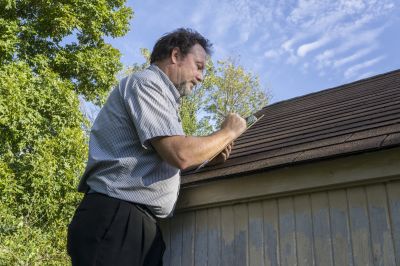

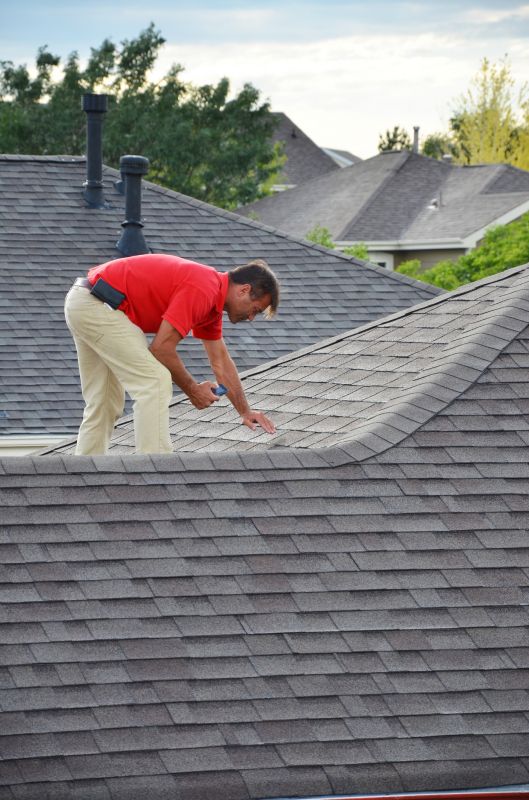
A professional roof inspection typically covers a thorough assessment of the roof’s overall condition, focusing on identifying existing issues and potential vulnerabilities. When homeowners search for what a professional roof inspection covers and why it matters, they are often interested in understanding how the process can reveal hidden damage, structural concerns, or areas prone to future problems. The inspection usually includes examining the roof’s surface for missing or damaged shingles, cracks, or curling materials, as well as checking flashing, vents, and other penetrations for leaks or deterioration. Additionally, inspectors look for signs of water intrusion, mold, or rot that may not be immediately visible but could compromise the roof’s integrity over time. This comprehensive evaluation helps homeowners understand the current state of their roof and plan necessary repairs or maintenance before small issues escalate.
The importance of a professional roof inspection extends beyond simply spotting visible damage. It is often related to larger projects such as roof repairs, replacements, or insurance claims. For example, if a homeowner suspects storm damage or notices leaks, a detailed inspection can confirm whether repairs are needed or if a full replacement is warranted. It also plays a key role in planning for future upgrades or upgrades, ensuring that the roof remains durable and functional for years to come. Inspections can uncover problems like loose or missing shingles, damaged flashing, or weak spots that might lead to leaks or structural issues if left unaddressed. For homeowners considering a renovation or preparing for resale, a professional inspection provides documented evidence of the roof’s condition, which can be useful in negotiations or insurance processes.
The types of properties that typically come up when discussing what a professional roof inspection covers include residential homes, multi-family buildings, and small commercial properties. Single-family houses are the most common, with inspections focusing on the roof’s ability to protect the entire structure from weather elements. Multi-unit residential buildings, such as apartment complexes or condos, often require more detailed inspections to ensure all units are protected and to identify common issues that could affect multiple tenants. Small commercial properties, like retail stores or office buildings, also benefit from thorough roof evaluations, especially since commercial roofs tend to be larger and more complex in design. In all cases, local service providers are equipped to adapt their inspections to the specific type of property, ensuring that homeowners and property managers get a clear understanding of the roof’s condition and any necessary repairs or maintenance.
Understanding what a professional roof inspection covers and why it matters helps homeowners connect the process to real projects and property management. Whether preparing for repairs, addressing storm damage, or simply maintaining the roof’s longevity, a detailed inspection provides valuable insights that can prevent costly problems later. Local contractors who specialize in roof inspections bring expertise to identify issues early and recommend appropriate solutions. They can evaluate various roofing materials, assess the severity of damage, and help property owners make informed decisions about repairs or upgrades. For homeowners and property managers alike, scheduling a professional roof inspection is a practical step toward safeguarding their investment and ensuring that the roof continues to serve its vital role effectively.
Gutter and drainage system inspections - these projects require similar skills and tools to identify issues that could affect roof integrity and water flow, making them relevant to roof inspection services.
Attic and insulation assessments - evaluating attic spaces involves examining ventilation and structural components, aligning with the planning and inspection techniques used in roof evaluations.
Chimney and flashing inspections - inspecting flashing and chimney joints shares common methods with roof inspections to detect potential leaks and damage points.
Roof repair and maintenance projects - understanding existing damage and planning repairs rely on thorough inspections, similar to those performed during professional roof assessments.
Leak detection services - locating sources of leaks involves diagnostic skills comparable to those used in comprehensive roof inspections to prevent future issues.
Structural assessments for decks or balconies - these projects involve examining load-bearing elements and surface integrity, paralleling the planning involved in roof inspections.
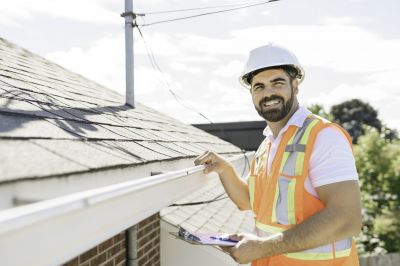
When evaluating different service providers for a roof inspection, it’s important to consider their experience with similar projects. Homeowners should look for local contractors who have a proven track record of conducting thorough inspections in residential settings comparable to their own. This experience often translates into a better understanding of common roofing issues, typical vulnerabilities, and the specific concerns that might arise based on the local climate or roofing materials used. A contractor’s familiarity with these factors can help ensure that the inspection covers all relevant aspects and provides an accurate assessment of the roof’s condition.
Clear, written expectations are essential when comparing roof inspection services. Homeowners should seek providers who can outline exactly what the inspection will include, such as checking for damage, wear, leaks, or potential problem areas. This clarity helps prevent misunderstandings and ensures that the inspection aligns with the homeowner’s concerns. Reputable local contractors are typically transparent about their scope of work and can provide detailed descriptions of what their inspection process entails, giving homeowners confidence that nothing important will be overlooked.
Good communication and reputable references are key indicators of a reliable service provider. Homeowners should look for local contractors who are responsive and willing to answer questions, as this reflects their professionalism and commitment to customer service. Additionally, seeking references or reviews from previous clients can provide insight into the contractor’s reliability and the quality of their inspections. When a contractor communicates clearly and has positive feedback from past customers, it suggests they are thorough, trustworthy, and capable of delivering a comprehensive roof inspection that covers what a professional roof inspection should and why it matters.
Property owners often search for what a professional roof inspection covers and why it matters when they are planning practical projects around their homes and businesses. Local pros provide Roof Inspection services for everyday jobs and straightforward project options.

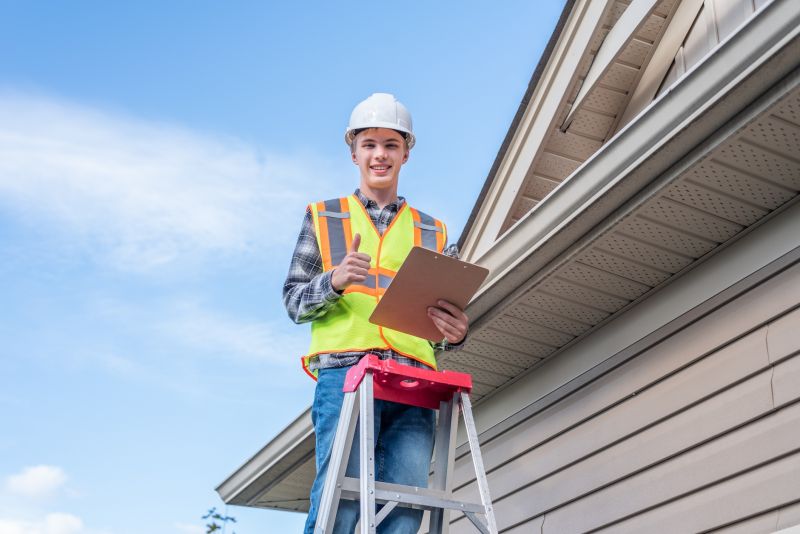
A professional roof inspection typically involves a thorough assessment of a property's roofing system to identify existing issues and potential vulnerabilities. Service providers examine key components such as shingles, flashing, gutters, and vents, looking for signs of damage like cracks, leaks, or wear and tear. They also check for underlying problems that might not be immediately visible, such as structural issues or areas prone to future damage. This process helps property owners understand the current state of their roof and determine whether repairs or maintenance are needed to prevent more serious problems down the line.
Understanding what a professional roof inspection covers and why it matters is especially useful for homeowners and property managers in the local area who want to protect their investment. Regular inspections can catch minor issues early, saving money and avoiding costly repairs later. Local contractors offer these services to ensure roofs remain in good condition, especially after severe weather or over time. By having a professional evaluate the roof, property owners can make informed decisions about maintenance and repairs, ultimately helping to extend the lifespan of their roofing system and maintain the property's value.
What does a professional roof inspection typically cover? A professional roof inspection includes an assessment of the roof’s surface condition, identification of damaged or missing shingles, evaluation of flashing and vents, and checks for signs of water intrusion or structural issues that could compromise the roof’s integrity.
Why is it important to understand what a roof inspection covers? Knowing what a roof inspection covers helps homeowners recognize potential problems early, ensures thorough evaluation of the roof’s condition, and supports informed decisions about repairs or maintenance to protect the property.
How do local contractors perform a comprehensive roof inspection? Local contractors use visual assessments, often supplemented with tools like ladders and binoculars, to examine all accessible areas of the roof, looking for signs of wear, damage, or deterioration that could lead to future issues.
What are the benefits of having a professional roof inspection done? A professional roof inspection can identify existing problems before they worsen, extend the lifespan of the roof, and help prioritize necessary repairs, ultimately protecting the home’s value and preventing costly damage.
Why does a professional roof inspection matter for property owners? It matters because a thorough inspection provides a clear understanding of the roof’s current condition, ensuring that any issues are detected early and addressed by experienced service providers to maintain the roof’s performance and safety.
Understanding roof condition - A professional roof inspection helps property owners identify existing damage or wear that could lead to costly repairs if left unaddressed.
Detecting hidden issues - Local contractors can uncover problems like leaks or structural weaknesses that are not visible from the ground, ensuring proactive maintenance.
Assessing safety risks - An inspection evaluates the stability of the roof to prevent potential hazards, especially after severe weather or age-related deterioration.
Planning maintenance and repairs - Insights from a professional inspection guide property owners in scheduling necessary upkeep to extend roof lifespan and protect their investment.
If you are thinking about what a professional roof inspection covers and why it matters for a property, this guide is meant to help you understand this topic, the typical project types, and how different options might fit your plans.
When you are ready, you can use the quote form on this page to share a few details about your project. From there, local pros can review the basics and follow up with options that match what you have in mind.